
Understanding Your Child's Inner Light
Updated: Feb 2

A Parent's Guide Through the Lens of Limitless: A Journey to the Center
The Heart of the Matter: Edges and Centers
Every child—like every shape in Limitless: A Journey to the Center—has two aspects that define their experience: their edges and their center. The edges represent how we appear different from one another, the surface characteristics that can seem to separate us. The center represents the light within, the shared humanity and capacity for love that connects every person.
When children struggle emotionally, they often get stuck focusing on their edges—comparing themselves to others, judging differences, or feeling judged for being different. This creates barriers to connection and well-being. The key to supporting children's mental health lies in helping them recognize that while edges are real and meaningful, the center is where true freedom and connection live.
Understanding Emotional Struggles Through the Shape Metaphor
Just as the shapes in Limitless initially compete and compare before discovering their shared light, children often experience emotional challenges rooted in comparison and judgment. Understanding these patterns through the lens of edges and centers can help parents provide more effective support.
When Edges Feel Sharp: Anxiety
Anxiety often manifests when children become hyper-focused on their edges—worrying about how they appear to others, fearing that their differences make them vulnerable, or feeling like they don't fit with the other "shapes" around them. The child caught in anxiety has temporarily lost sight of their center, that steady inner light that remains constant regardless of external circumstances.
When the Light Dims: Sadness and Depression
When children experience persistent sadness or depression, it's as though clouds have gathered around their inner light. They may have difficulty believing that light exists within them at all, or that others can see it. The message of Limitless—that every shape carries the same beautiful light inside—becomes essential healing medicine. Depression often tells children they are fundamentally different or less than others; the truth is that their center remains brilliant, even when it's hard to perceive.
The Busy Shape: Attention Challenges
Some children have edges that seem to be constantly in motion—their energy, attention, and impulses move quickly from one thing to the next. These children often receive messages that their particular "shape" is wrong or needs to be fixed. Through the Limitless framework, parents can help these children understand that their unique edges have value, while also learning to access their center—that still point within from which focus and calm naturally emerge.
Edges That Push Back: Behavioral Challenges
When children exhibit challenging behaviors, they are often protecting their center from perceived threats. Opposition and defiance frequently emerge when a child feels their light isn't being seen or valued. Rather than viewing these behaviors as problems to eliminate, parents can recognize them as signals that a child needs help reconnecting with their center while feeling safe enough to let others see their light.
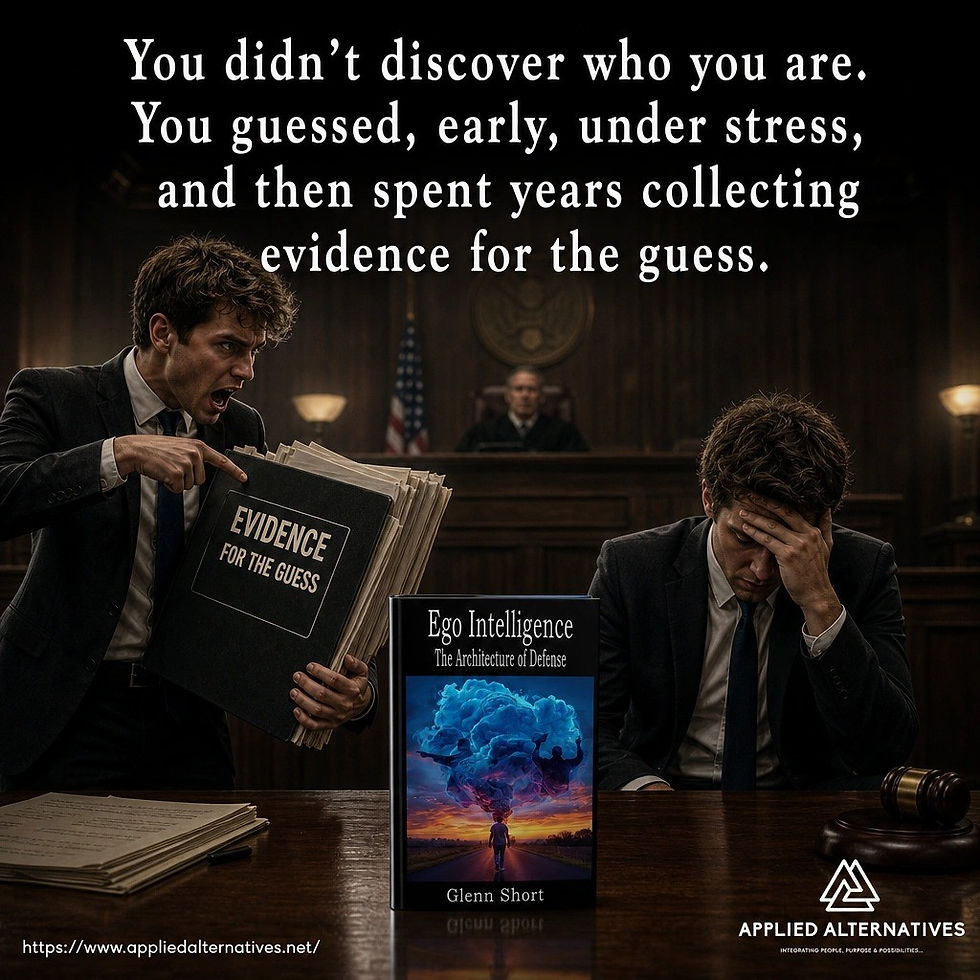
Ego Intelligence: Recognizing Defensive Patterns
Both parents and children develop protective patterns that can get in the way of authentic connection. Ego intelligence is the ability to recognize when we're operating from these defensive positions and choose more constructive responses. There are three common patterns to watch for:
The Expert
When we operate as the Expert, we believe we have all the answers and others should simply accept our wisdom. Parents may fall into this pattern by dismissing children's feelings or experiences. Children may adopt it by insisting they know better than adults or peers. The Expert protects against vulnerability by creating distance through knowledge, but it prevents the genuine understanding that comes from meeting at the center.
The Judge
The Judge constantly evaluates and compares—this shape is better than that one, this behavior is right or wrong, this person deserves more or less. Operating as the Judge keeps us focused on edges, endlessly measuring differences rather than recognizing shared humanity. Children may judge themselves harshly or criticize others; parents may inadvertently reinforce this by focusing on grades, achievements, or comparisons with siblings or peers.
The Victim
When we operate as the Victim, we believe that circumstances or other people are responsible for our suffering, and we are powerless to change our situation. While real hardships exist, the Victim pattern involves getting stuck in this position rather than accessing the inner strength and light that allows for growth and change. Children in Victim mode may feel helpless; parents may model this by blaming external factors for family challenges.
Supporting Your Child's Journey to the Center
Applying the principles of Limitless and ego intelligence to everyday parenting creates a foundation for lasting emotional well-being. Here are ways to bring these concepts to life:
Listen with Your Center, Not Your Edges
When your child shares difficult feelings or experiences, practice listening from your center rather than reacting from your edges. This means setting aside the urge to fix, judge, or compare. Instead, let your child feel seen—truly witnessed—in their experience. When children feel their light is recognized, they naturally move toward healing and growth.
Help Them Identify Edges and Centers
Use the language of shapes with your children. When they're upset about being different or not fitting in, help them distinguish between edges (the surface characteristics that vary) and centers (the unchanging inner light we all share). Ask questions like: "What part of this is about your edges—how things look on the outside? And what part is about your center—who you really are inside?"
Model Ego Intelligence
When you catch yourself operating as Expert, Judge, or Victim, name it aloud for your children. "I notice I'm being the Judge right now, comparing myself to other parents. Let me take a breath and remember what really matters." This modeling teaches children that noticing defensive patterns is not a failure—it's the first step toward choosing differently.
Celebrate All Shapes
Just as Limitless teaches that every shape—circle, triangle, square, and beyond—carries equal light within, help your children appreciate the variety of "shapes" in their world. Discuss how different doesn't mean better or worse. When children learn to see the light in all shapes, they develop resilience against comparison and judgment.
Focus on Connection Over Correction
When behavioral challenges arise, prioritize connecting with your child's center before attempting to correct their edges. Children who feel disconnected often act out; children who feel seen at their center naturally move toward cooperation and growth. This doesn't mean avoiding boundaries—it means establishing them from a place of connection rather than control.
The Thread of Trust
Across all developmental stages, trust serves as the fundamental element that allows children to access their inner light. From infancy through adolescence, children are learning whether they can trust their own light, trust that others have light too, trust that connection is possible across differences, and trust that love is truly limitless.
As parents, our most important work is maintaining consistency in our central message: while individuals may present different external characteristics, we all share common intrinsic worth and humanity. This message provides the necessary conditions for psychological safety and secure attachment.
The Journey Continues
Supporting your child's mental health is not about eliminating their challenges or perfecting their edges. It's about helping them find their way to the center—that limitless place where they can rest in their own light while recognizing the light in everyone around them. When children learn that comparison and judgment create barriers while connection creates freedom, they develop the emotional foundation for a lifetime of well-being.
The shapes in Limitless discover that their differences never diminished their shared light—it was there all along, waiting to be seen. The same is true for every child. Your role as a parent is to keep pointing toward that light, especially when your child has lost sight of it, and to model what it looks like to live from the center rather than the edges.
Every step you take on this journey makes a difference. The light you see in your child today will become the light they learn to see in themselves—and eventually, the light they'll help others discover.
For more resources on the Limitless framework and ego intelligence work, visit www.appliedalternatives.net


Comments